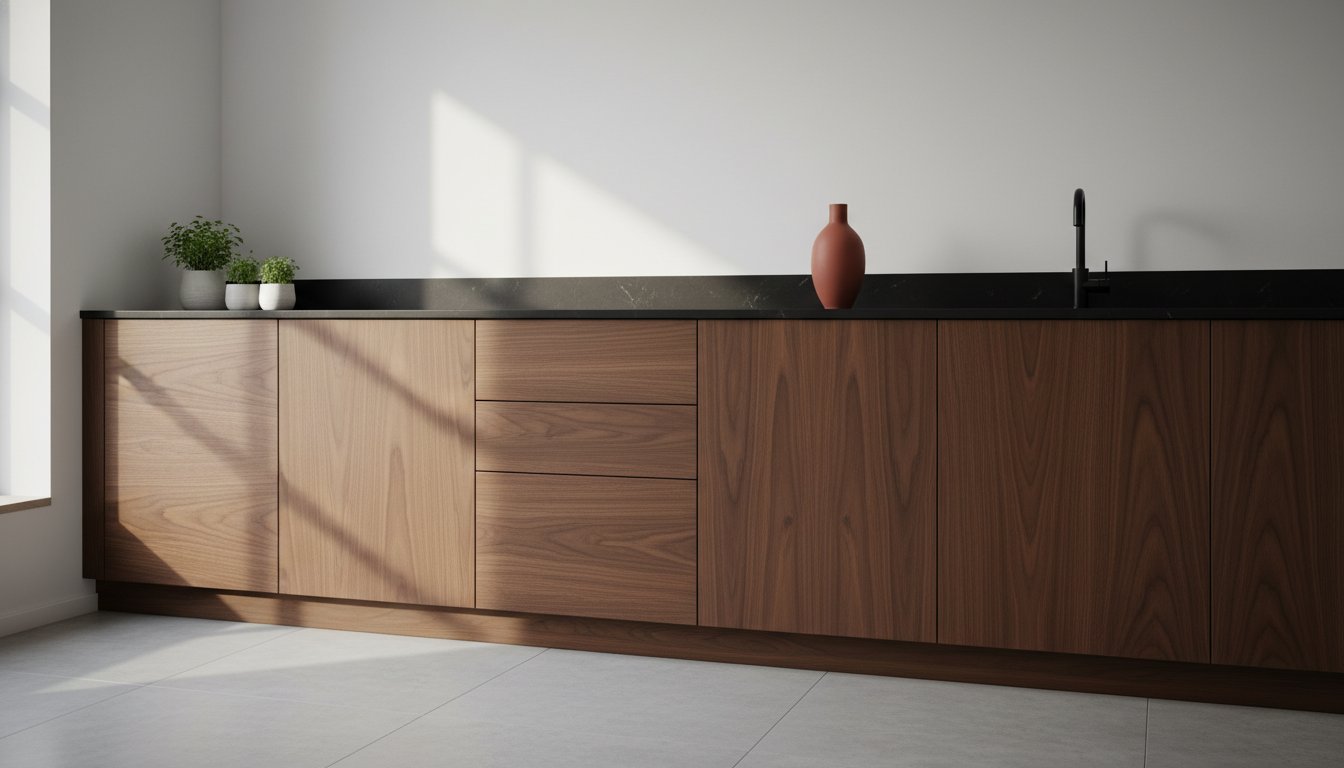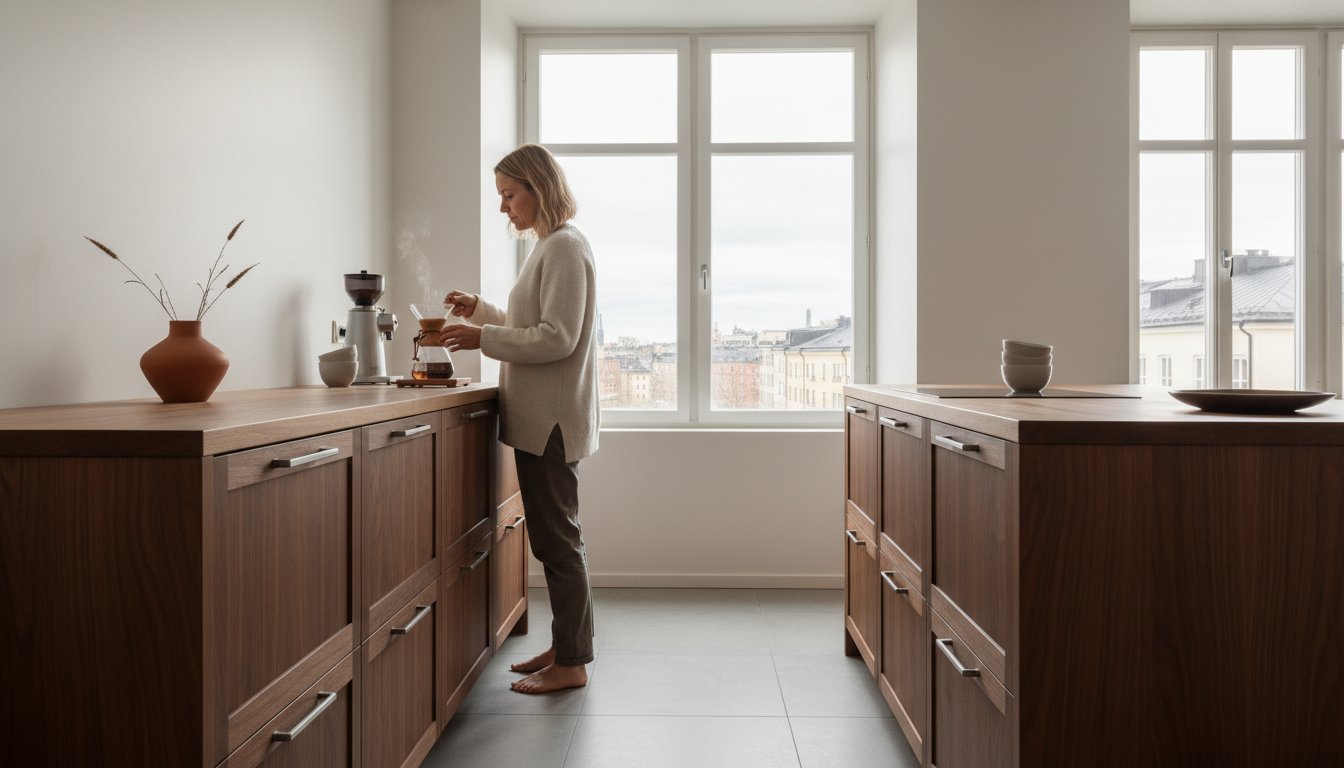
Walnut Acoustic Panel: Inspiration and Guide to Timeless Elegance 2026
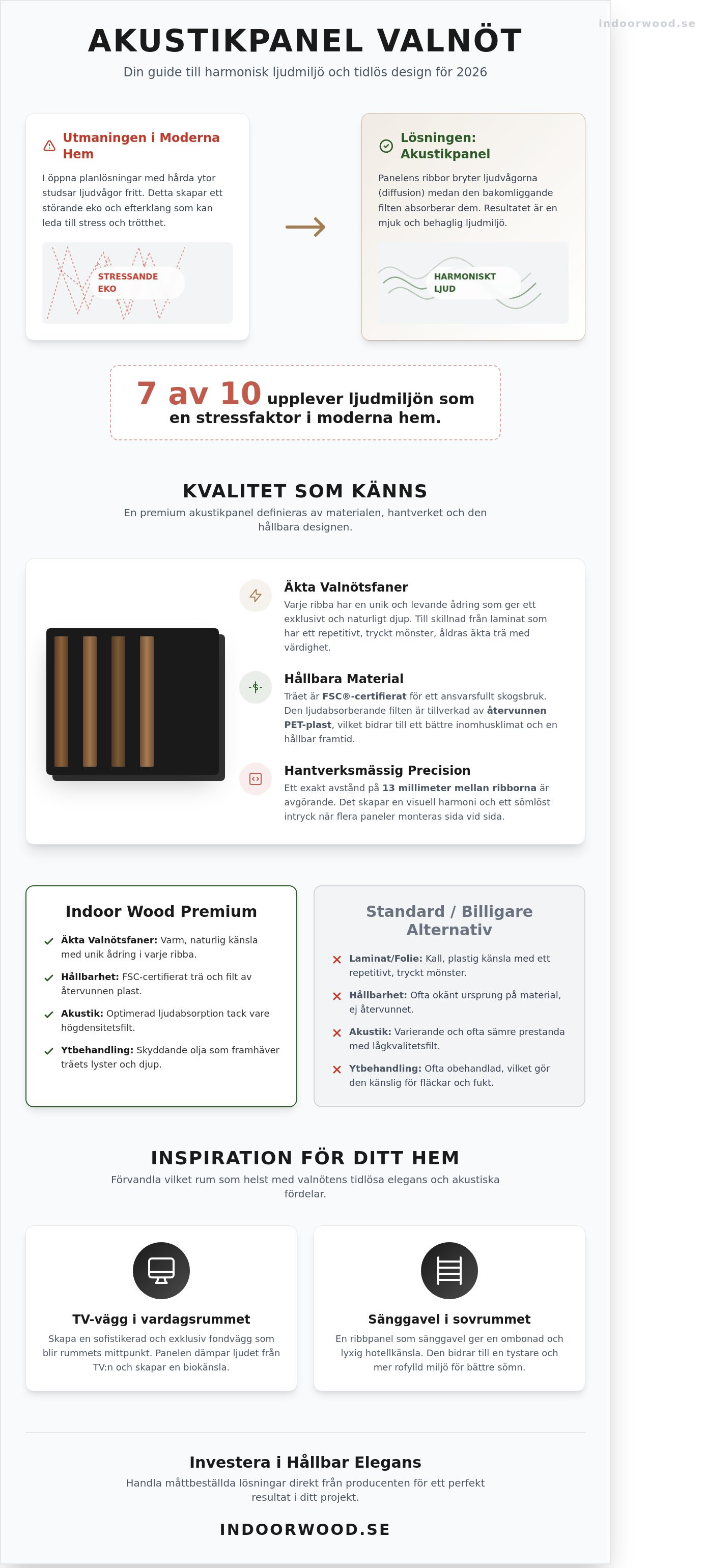
What if the greatest luxury in your home isn't what you see, but what you actually don't have to hear? In modern homes with open-plan layouts, 7 out of 10 people experience the sound environment as a stress factor, which often makes a walnut acoustic panel the crucial detail to regain calm without sacrificing style. We understand the challenge of wanting to dampen the echo in a large living room without risking the material looking cheap or plasticky next to your existing, exclusive walnut furniture.
Here at IndoorWood, we see wood as the soul of the room, and a walnut acoustic panel combines nature's raw beauty with technical precision to create a home where every sound lands softly. We promise to show you how to use this noble wood to create a world-class sound environment and an aesthetic that never goes out of style. It's more than just a renovation; it's a long-term investment in your quality of life and the atmosphere of your home.
This guide provides inspiration and practical advice for 2026, covering everything from sustainable material choices to how to create a feature wall that becomes the obvious and exclusive focal point of the room.
Key Takeaways
- Learn how walnut's unique character and deep tones create a harmonious atmosphere proven to lower stress levels in the home.
- Gain insight into why real wood veneer and FSC-certified materials are crucial for both sustainability and the genuine feeling of luxury.
- Discover how to choose the right backing felt for your walnut acoustic panel to create either dramatic depth or a softer contrast.
- Be inspired by practical examples of how slatted panels can transform everything from the living room TV wall to the bedroom headboard.
- Understand the added value of buying directly from the manufacturer and how custom-made solutions can elevate your specific interior design project.
Why a Walnut Acoustic Panel is the Interior Designer's Favorite Choice
Walnut has long been considered the aristocrat of woods. Its unique character, ranging from deep chocolate tones to a vibrant and almost dramatic grain, instantly lends a sense of exclusivity to any room. As we move towards 2026, we see a clear trend shift. After years of dominance by light oak, both interior architects and conscious homeowners are now looking for materials with more soul and substance. A walnut acoustic panel addresses this need by combining visual luxury with a tactile presence that few other materials can match. However, the choice of walnut is about more than just aesthetics. There is a deep psychology behind introducing wood into our homes. Research in biophilic design shows that exposure to natural materials can significantly lower heart rate and reduce stress levels. In an everyday life often characterized by digital noise and hard surfaces, wood paneling becomes a calming counterpoint. It is a craftsmanship that is not only seen but also felt in the atmosphere of the room. Function and form meet here in perfect symbiosis. The construction of the slatted panels is mathematical precision disguised as art. By breaking up flat surfaces, the panel prevents sound waves from bouncing unimpeded, creating a harmonious soundscape. In 2024 and 2025, we have seen how this has become a necessity as open-plan layouts and minimalist furnishing have become standard in new Swedish constructions.The difference between acoustics and sound insulation
It is a common misconception that acoustic regulation and sound insulation are the same thing. Acoustic panels in walnut are primarily designed to improve the sound environment within a room by controlling reverberation and echo. The slats create diffusion, meaning the sound is spread rather than bouncing back at a straight angle. The underlying felt, often made from recycled plastic, then absorbs the remaining sound waves. This is critical in modern homes with large glass sections where the sound would otherwise be harsh and tiring.
Walnut's role in Scandinavian minimalism
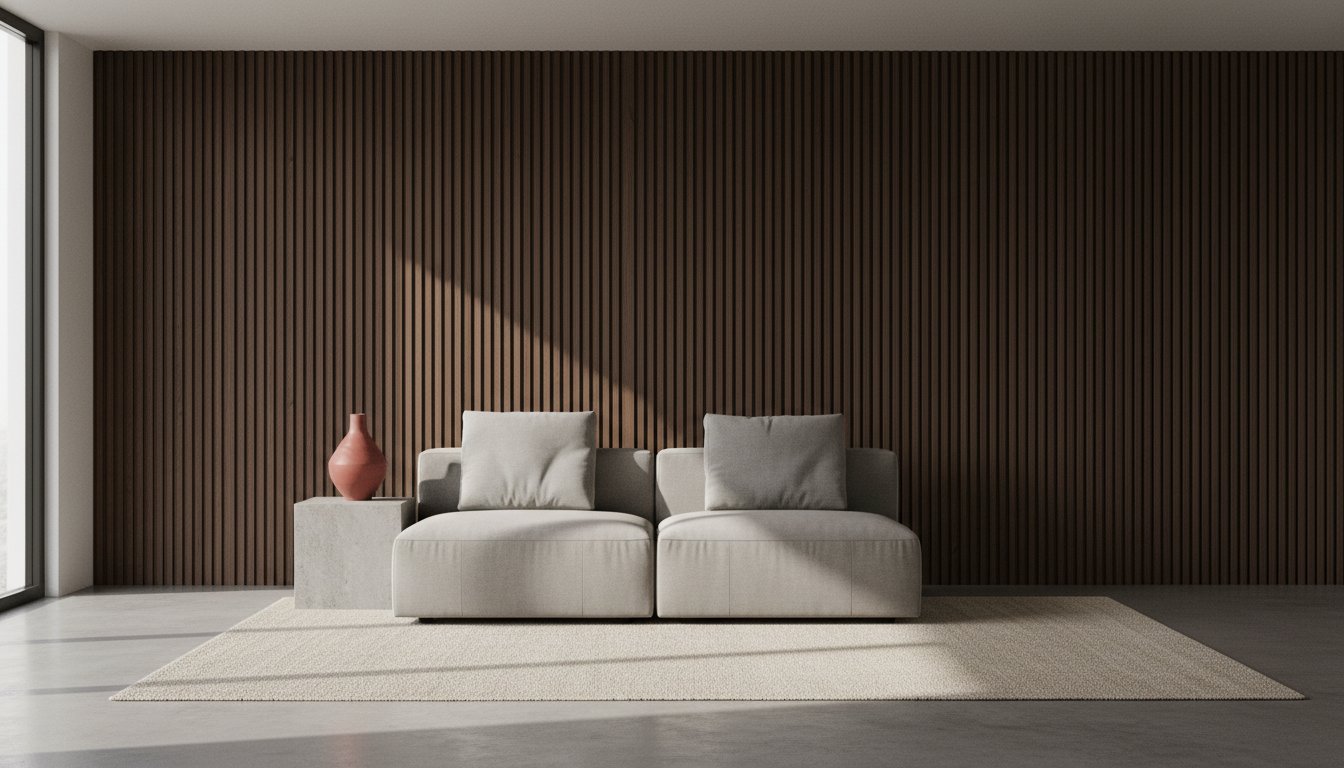
Scandinavian minimalism has undergone a transformation. We are leaving the sterile white behind and embracing contrasts. A dark walnut acoustic panel against a light gray or off-white wall creates a depth that gives the room architectural definition. It is about balancing natural materials with modern textiles and metals. The timelessness of walnut is in itself a form of sustainability; it is an investment that does not fade as trend cycles change, but rather ages with a dignity that only real wood can achieve.
- Natural variation: Each slat carries its own history through unique patterns.
- Sustainable choice: Walnut is a durable material that retains its luster for decades.
- Simple aesthetic: Gives a room a finished and thoughtful impression without the need for extensive decor.
Quality you can feel: What defines a premium acoustic panel?
A premium walnut acoustic panel is about more than just an aesthetic surface; it's a symphony of material choices and craftsmanship that defines the room's atmosphere. The difference between a mass-produced copy and a genuine panel is immediately noticeable at your fingertips. While cheap laminate versions often feel cold and repetitive in their pattern, real walnut veneer offers a unique character in every grain. Each panel becomes a living piece of nature that ages with dignity and provides an exclusive feel that laminate can never replicate.
Sustainability is a cornerstone of our philosophy. We exclusively use FSC-certified wood, ensuring that the raw material comes from forests managed with respect for both people and the environment. The backing felt is made from recycled PET plastic, creating a circular product that contributes to a healthy indoor climate. The precision in the placement of the slats is crucial for the final experience. An exact distance of 13 millimeters between each slat creates the visual balance required for the wall to appear harmonious rather than cluttered.
- Real veneer: Provides natural depth and a unique grain in each individual slat.
- Environmentally friendly felt: Made from recycled materials for optimal sound absorption.
- Craftsmanship precision: Even spacing that provides a seamless impression when installing multiple panels.
Surface treatment: Oiled vs. untreated walnut
The deep, dark tones of walnut are best highlighted through careful oil treatment. The oil penetrates the wood's pores and protects the material from within while giving it a silky luster that captures the room's light. An untreated panel gives a more raw and matte expression, but it is also more susceptible to drying out and stains. To preserve the rich chocolate-brown color, we recommend a light oiling every two years, especially if your walnut acoustic panel is in a room with a lot of direct sunlight.
The construction behind sound absorption
The effectiveness of an Interior Acoustic Panels solution rests on the density and thickness of the felt. A high-quality 9-millimeter felt effectively absorbs sound waves in the mid- and high-frequency range, eliminating disturbing echoes in modern homes. The core of the slats consists of high-density black MDF. This choice is strategic; it provides a dimensionally stable base that does not warp with temperature changes, unlike simpler types of wood. During installation, an air gap is created that further enhances the acoustic effect, making the panel both a work of art and a technical tool for well-being.
If you want to experience how these materials can transform your specific environment, you can explore our curated range at IndoorWood for personal advice and inspiration.
Design guide: Choose the right panel for your home
Integrating a walnut acoustic panel into your interior design is about understanding the room's unique conditions and how the material interacts with light. Walnut's dark, vibrant grain immediately provides a sense of exclusivity that differs significantly from other woods. While an ash panel offers a cool, almost ethereal appearance and oak provides a golden, secure stability, walnut adds a dramatic depth that often becomes the room's natural focal point.
The choice of backing felt is an often underestimated detail that controls the entire end result. A black felt behind the slats creates a visual contrast that highlights the precision of the wood and provides a clear graphic profile. It's an excellent choice for living rooms where you want to create a feature wall with character. If you're looking for a softer atmosphere, for example in a bedroom, a gray felt can dampen sharp lines and give a more subdued impression. Before making the final decision, it's crucial to see samples in the right environment. Wood is a living material that changes depending on the light source. A panel that looks warm in a store with 3000 Kelvin may appear completely different in a north-facing room with cool daylight.
- Custom sizing: Standard dimensions work well for most projects, but for built-in solutions around media walls or fireplaces, millimeter precision is often required.
- Texture: Feel the surface; a high-quality panel should have a smooth finish that highlights the wood's natural fibers without feeling artificial.
- Lighting: Consider grazing light along the panel to emphasize the three-dimensional effect of the slats.
Acoustic panel 270 cm: For seamless walls
In modern Swedish architecture, ceiling heights are often generous. Many new constructions have a standard height of 250 centimeters, but in villas with extra space, the ceiling often reaches 270 centimeters. By choosing a 270-centimeter panel, you avoid joints in the middle of the wall. This provides an unbroken line from floor to ceiling that visually extends the room and creates a luxurious hotel feel. When handling these longer panels, logistics are important. They weigh more and require two people for installation to ensure that the vertical lines are perfectly straight. A margin of error of just a few millimeters at the beginning of the wall can result in large deviations at the end of a long section.
Walnut or oak? A stylistic comparison
The choice between walnut and oak is often a matter of the overall feeling you want your home to convey. If you have light floors and want to maintain an airy, Scandinavian minimalism, an oak acoustic panel is a safe bet that harmonizes with the Nordic palette. Walnut, on the other hand, is the choice for those who dare to go bold and seek a more international and sophisticated style. To create a coherent theme throughout the home, you can advantageously pick up the dark tones of walnut in other rooms. An effective way to create this cohesive feel is to combine the wall paneling with a walnut bathroom vanity. This connects the material choices and demonstrates a well-thought-out design strategy where every detail interacts with the room's foundation.
5 inspiring examples: How to elevate a room with slatted walnut paneling
Walnut's deep, vibrant grain creates an immediate sense of exclusivity in a room. It's not just about aesthetics; it's about transforming the home's foundation into something tactile and functional. In 2026, we see how the material is being used in increasingly creative solutions where craftsmanship meets modern technology. Here are five ways to use the material to create a timeless atmosphere.
The TV wall as an interior design detail
Mounting technology against a background of walnut acoustic panel effectively conceals cables that would otherwise disturb visual calm. By integrating the TV mount directly between the slats, a seamless transition is created where the screen almost appears to float. To maximize the effect, we recommend placing hidden LED strips behind the outer edges of the panel. This provides a soft grazing light that highlights the wood's structure and reduces the contrast between the bright screen and the dark wall, which is gentler on the eyes in the evening. The balance between the black technology and the warm wood creates a harmonious focal point in the living room.
The bedroom as a peaceful oasis
Good sleep requires silence and a rested mind. According to acoustic measurements, the right wall covering can reduce sound reflections by up to 50 percent, creating a noticeable difference in the bedroom. By using the panel as a headboard, you get both a beautiful focal point and an effective sound absorber. The combination of hard walnut and soft linen textiles creates a dynamic contrast that feels both earthy and sophisticated. Place the panel from floor to ceiling behind the bed to give the room that coveted hotel feel that exudes both security and luxury.
- Welcoming hallway: A walnut feature wall at the entrance sets the tone immediately. It's a material that breathes quality and gives guests a warm, inviting first impression.
- Home office: In today's digital meeting culture, sound is crucial. A walnut acoustic panel behind the desk eliminates distracting echoes and provides a professional, trustworthy background for every video call.
- Ceiling mounting: Moving the slats to the ceiling is an architectural move that dramatically changes the room's volume. It breaks up large, hard surfaces and gives the room a cozy feel reminiscent of classic libraries or modern design villas.
This craftsmanship is about precision and a deep respect for wood as a raw material. Each walnut slat carries its own unique history through its grain, contributing to a whole that feels both modern and deeply rooted in nature. It is an investment that not only improves acoustics but also enhances the overall aesthetic value of the property.
Invest in sustainable elegance with Indoor Wood
Indoor Wood's philosophy rests on simplicity and honesty towards the material. We have chosen to work without costly intermediaries, meaning your walnut acoustic panel is sent directly from the factory to your home. This allows us to maintain high quality control at every step while offering prices that reflect the true value of the craftsmanship. Every home has its unique conditions, and we see it as our primary task to help you find the right solution. We therefore offer custom-made options for projects that require precise accuracy, whether it's a feature wall in the living room or a built-in headboard.
Our expertise extends beyond the product itself. We act as your personal advisor throughout the entire purchasing process. From the initial thoughts on aesthetics and acoustics to the final installation, we are available to answer technical questions. Personal commitment is at the core of our business; we want you to feel as confident in your choice today as you will in ten years. To take the next step towards your dream wall, you can easily order samples to experience the texture and color variations of walnut in your own light.
Easy installation for the DIY enthusiast
Installing a walnut acoustic panel is a rewarding project that yields immediate results. You don't need to be a professional carpenter to succeed, but proper preparation is crucial. You can choose between two main methods:
- Screws: By using black mounting screws driven directly through the acoustic felt, the fastening becomes almost invisible. This is the best method if you want to be able to dismantle the panels for a future move.
- Adhesive: For a completely smooth surface without mechanical fasteners, a strong mounting adhesive is used. This provides a permanent and stable installation on most surfaces.
The tools you need are few: a spirit level to ensure the first panel is straight, a drill, and a circular saw. A critical step is cutting. To prevent the real walnut veneer from splintering, you should always cut the panel from the back. Place the panel with the wood slats facing down and saw through the felt first; this will give you a razor-sharp cut that looks professional.
Sustainability and material choices
The choice of material is about more than just surface. It is an investment in the long-term value of your property. By combining solid wood and high-quality veneer, we create products that stand the test of time. Walnut is a wood that only becomes more beautiful with age, where its natural oils and deep brown tones give the room an organic warmth that synthetic materials can never replicate.
We take our responsibility for the environment very seriously. All our production takes place with respect for the natural cycles of the forest, and we choose traceable raw materials. A walnut acoustic panel from us is not just an aesthetic upgrade; it is a choice for a healthier indoor environment. The panels effectively improve the sound climate by absorbing echoes, creating a harmonious atmosphere in the modern home. Investing in quality always pays off, both for the soul and for the wallet in a future sale.
Give your home the character it deserves
The choice of wall covering defines the entire soul of the room. By integrating a walnut acoustic panel into your interior design, you combine the aesthetics of 2026 with an acoustic comfort that is immediately noticeable. The rich grain and warm tones of walnut create an exclusive feel that only genuine natural materials can convey. This is about craftsmanship that stands the test of time, where each slat is proof of precision and love for the living wood.
As a family-owned company, at IndoorWood we prioritize personal contact and uncompromising quality. We bypass expensive intermediaries and deliver products directly from the manufacturer, giving you access to premium solutions at competitive prices. Do you want to experience the material's unique texture and luster up close? Feel free to visit our showrooms in Stockholm or Gothenburg for personal advice on your next project. We will help you transform your vision into a finished result that exudes both tranquility and timeless elegance.
Explore our range of exclusive walnut acoustic panels
Let your home become the place of recovery and beauty you've always dreamed of.
Frequently asked questions about walnut acoustic panels
Can walnut acoustic panels be installed in bathrooms?
Yes, it is perfectly fine to install a walnut acoustic panel in a bathroom as long as it is not placed in zone 1 or exposed to direct water splashes. Wood is a living material that reacts to humidity, so good ventilation is an absolute requirement to maintain the panel's shape and luster over time. In wet rooms, panels with a moisture-resistant backing felt should be chosen to ensure durability and prevent the material from warping.
What is the best way to clean a wooden slat panel?
You clean your slat panel best by regularly dusting it with a microfiber cloth or a duster. For deeper cleaning between the slats, a vacuum cleaner with a soft brush attachment works excellently to remove particles without damaging the delicate surface. Avoid strong chemicals and only use a slightly damp cloth if stains have appeared on the wood, as too much liquid can damage the veneer.
Do I need a professional craftsman to install the panels?
No, you do not need to hire a professional craftsman as most panels are designed for easy installation with screws or mounting adhesive. A handy person can often install an entire feature wall in under three hours with the help of a fine-toothed saw and a spirit level. However, if you plan complex electrical outlets or large ceiling installations, a carpenter can ensure the precision required for an exclusive and seamless end result.
How much does an acoustic panel dampen sound in a typical living room?
A walnut acoustic panel significantly dampens the reverberation in a typical living room and can reduce the sound level by up to 50 percent depending on the room's size and furnishings. By breaking sound waves against the wooden slats and absorbing them into the backing felt, sound class A is often achieved. This creates a calmer atmosphere where conversations feel closer and disturbing echoes from hard surfaces such as glass and plaster are effectively eliminated.
Can I order walnut acoustic panels in custom sizes?
Most acoustic panels are supplied in standard sizes such as 2400 or 3000 millimeters, but they are very easy to cut yourself to suit your specific needs. You adjust the length with a circular saw and the width by cutting the felt with a regular utility knife. For projects that require exact precision, some suppliers offer custom sizing at an additional cost, which saves time during installation and minimizes waste material.
What is the difference between genuine walnut veneer and foil-wrapped panels?
The difference lies in the essence of the material, where genuine walnut veneer offers a unique grain and texture that foil-wrapped panels can never fully replicate. A foil-wrapped panel is covered in plastic or paper with a printed pattern, which gives a more uniform but less lively expression. With real wood, you get a natural color variation that matures beautifully over time and provides that genuine sense of craftsmanship that enhances the value of the entire room.
How does lighting affect the appearance of a walnut acoustic panel?
Lighting dramatically changes how a walnut acoustic panel is perceived by highlighting the wood's deep brown tones and creating dynamic shadow play between the slats. By placing grazing light or spotlights at a 45-degree angle to the panel, the three-dimensional effect is enhanced and the room takes on a warmer, more inviting character. The right lighting transforms the panel from being a discreet background to becoming a central work of art in your home.