Knobs: A Guide to Interior Design's Most Important Details 2026
Can a detail barely three centimeters large truly determine whether your home feels like a mass-produced item or an architect-designed masterpiece? The truth is, the smallest choices often carry the heaviest aesthetic burden. Many spend months selecting the right parquet flooring or kitchen cabinet doors, but when it comes to knobs, the choice is often made at the last minute without considering the material's natural aging. We understand the uncertainty of wanting to create something timeless while fearing that the details will quickly feel dated or lose their luster.
In this guide for 2026, you will learn how the right choice of knobs in noble wood species such as walnut and oak transforms your furniture into exclusive handcrafted items that exude quality. Trend analyses for 2026 show that the demand for tactile natural materials in the home has increased by 45 percent, making wood details more relevant than ever for the conscious interior designer. We show you how to create a cohesive, luxurious feel that permeates the entire room and gives your existing furniture new life. We go through how to blend wood species and metals with precision, choose finishes that only become more beautiful with age, and create that personal atmosphere that distinguishes a home curated with artisanal care.
Key Takeaways
- Discover how small details act as the jewelry of your interior, creating a significant visual change without the need for a complete renovation.
- Learn to navigate between noble wood species like timeless oak and luxurious walnut to set the right atmosphere and warmth in every room.
- Get inspiration on how to adapt design styles to create a harmonious overall feel in everything from minimalist homes to classic wooden kitchens.
- Master the technique behind a successful replacement with our guide on how to measure and install knobs with precision and care for the material.
- Explore the art of creating a consistent theme in your decor by letting material choices connect everything from exclusive furniture to the room's smallest fittings.
Knobs as interior details: Small details with a big impact
In the world of interior design, we often talk about the grand gestures; the grain of the floor, the color of the walls, and the incidence of light. But it is the smallest details, often referred to as the jewelry of the interior, that tie everything together and give the room its soul. Choosing the right knobs is about giving the home a personal signature without having to undergo a dusty and costly complete renovation. According to surveys from 2023, as many as 42% of Swedish homeowners choose to update their fittings as a first step in renovating the kitchen, which demonstrates the enormous impact of this detail.
The difference between replacing an entire piece of furniture and simply updating its fittings is significant, both for the wallet and for the environment. A standard piece of furniture from a large department store can be transformed into a unique handcrafted item through a conscious choice of material and form. By adding weight and quality, the perceived value of the interior is immediately elevated. It’s about an aesthetic upgrade that feels genuine and well thought out.
Tactility is an often underestimated aspect that affects our living environment every day. Every time your hand meets the material, whether it's cool metal or warm, carefully sanded wood, a sensory connection to your home is created. It’s a daily reminder of quality in small gestures. Opening a drawer should not just be a practical action; it should be an experience of precision and care for the material.
Function meets aesthetics in everyday life
In the flow of everyday life, we interact with our furniture more often than we think. An average user opens a kitchen drawer about 30 times a day, making ergonomics and grip comfort an absolute necessity. There are different types of knobs and handles that balance between being a discreet profile and an expressive design element. The choice of form affects how easy it is to work in the kitchen or bathroom for many years to come. A well-designed knob combines a pleasant feel for the fingertips with a visual harmony that enhances the entire front.
Timeless design versus fleeting trends
Trends move quickly, but classic forms almost always win in the long run. Choosing knobs that harmonize with the house's architecture creates a visual logic that endures over time. Solid wood is a material choice that never goes out of style; it ages with dignity and develops a beautiful patina that tells a story. By investing in solid natural materials, one avoids the short-termism that often characterizes mass production. Sustainability means choosing details with a quality that means they never need to be replaced due to wear and tear, but rather gain more character with each passing year.
Material choices for knobs: From timeless walnut to classic oak
The choice of material for your knobs determines the room's soulful expression and sets the tone for the entire interior for 2026. Wood is not just a raw material; it is a living element that ages with dignity and creates a tactile connection between humans and the home. By choosing the right wood species, you can control the room's temperature, from the cool elegance of light ash to the deeply embracing warmth of American walnut.
Walnut: The exclusive choice
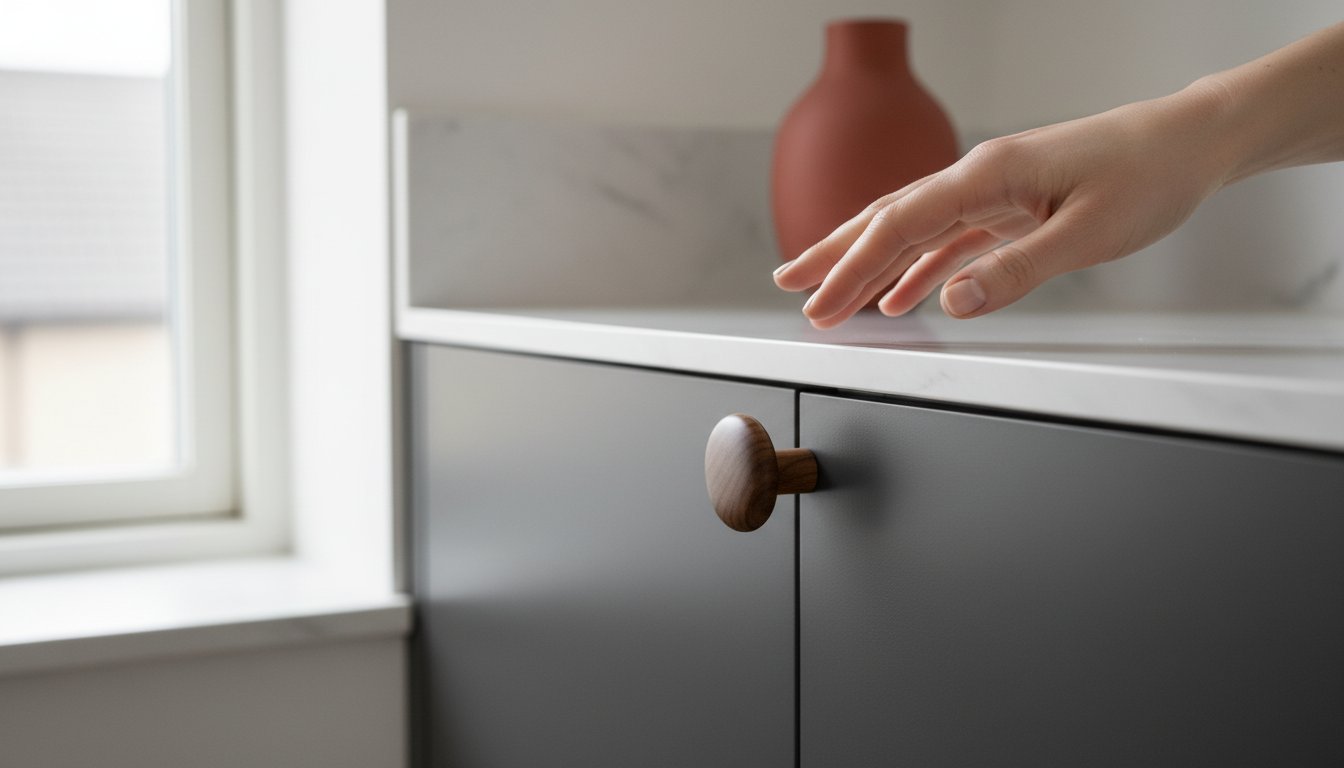
Walnut's dark, rich grain offers a visual weight that few other wood species can match. It is a material that exudes a subdued calm and sophisticated luxury. When you place walnut knobs against a light gray or cream-white front, a contrast is created that immediately draws the eye. This dynamic is particularly effective in environments where you want to break up a minimalist aesthetic with something organic and vibrant.
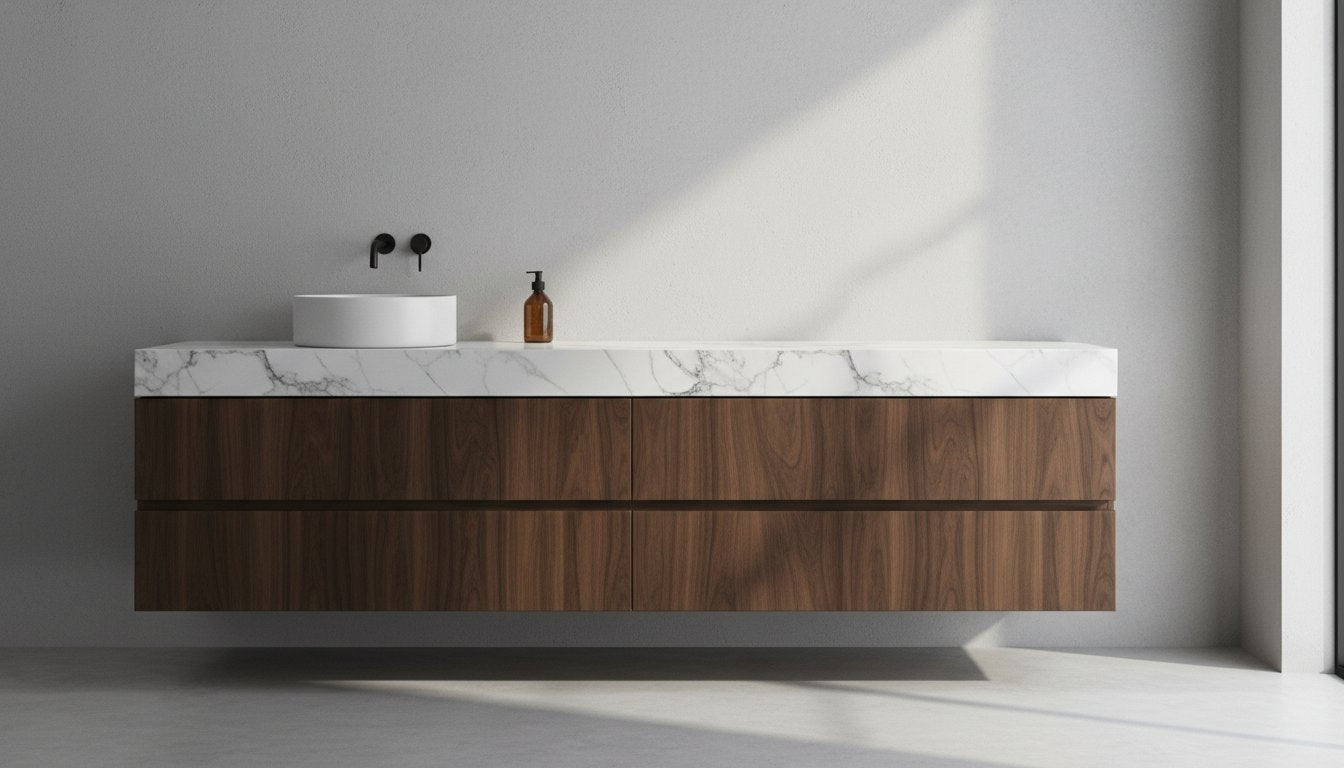
For those seeking a cohesive theme in the home, it is wise to let the material reappear in fixed furnishings. Matching the details on kitchen cabinet doors with a bathroom vanity in walnut creates an architectural overall feel. The wood's natural oils also make it pleasant to touch, enhancing the experience of quality in every interaction.
Oak and ash: Nature's own palette
Oak has long been the backbone of Scandinavian design, and its popularity is set to reach new heights in 2026. It is an extremely durable wood species that can withstand decades of daily use without losing its character. Ash serves as the modern, lighter alternative. It has a distinct but finer grain that helps to reflect light in smaller rooms without sacrificing the genuine wood feel.
- Oak: Available in everything from untreated and white-pigmented to a deep smoked finish. Its hardness makes it ideal for high-traffic kitchens.
- Ash: The perfect choice for brightening an interior. Ash has an elasticity and toughness that makes it technically superior for finer joinery details.
- Durability: A well-maintained oak detail can retain its luster for over 25 years if treated correctly from the start.
To preserve the wood's natural beauty, proper care is required. A hardwax-oiled surface provides strong protection against moisture and dirt while allowing the wood's pores to breathe. In areas with high humidity, such as bathrooms or kitchens, it is crucial to choose knobs that are precisely sealed to prevent the wood from warping or losing its luster over time.
Design styles and inspiration: Find the right expression for your home
The details in a home act as the room's jewelry, where the choice of fittings defines the entire interior's character. In a wooden kitchen, the fittings become the bridge between the living natural material and functional everyday life. By replacing existing knobs, you can transform a kitchen's expression from rustic and country to strictly architectural without having to undertake extensive renovation.
Minimalist knobs with clean lines and muted surfaces in matte black or brushed steel create a modern, almost graphic look. These are excellent in homes where calm and visual order are desired. For those who instead want to celebrate traditional craftsmanship, turned forms in brass or wood are the obvious choice. These classic forms provide a weight and a sense of history that harmonizes beautifully with panel doors and built-in furnishings.
Trend forecasting for 2026 shows a clear shift towards the tactile and unpredictable. We see an increase in organic forms reminiscent of nature's own sculptures, like round river stones or branches. Raw material surfaces, where the metal is allowed to naturally patina or where the wood grain is clearly felt under the fingertips, become a central part of the interior design philosophy. It's about creating a sensory experience with every touch.
Combine knobs and handles
Mixing different types of fittings requires an aesthetic sensibility for the result to feel well-considered. A practical rule of thumb is to use knobs on cabinet doors and handles on wider drawers where more force is required to open. To maintain a cohesive theme in the room, you should stick to the same material palette. By combining a round knob with a linear handle in the same solid oak or brass alloy, you create a varied yet cohesive environment that feels both professionally designed and personal.
Create contrast or harmony
The choice of color and material for your knobs determines how the eye moves around the room. For a monochrome and harmonious look, you can choose fittings in exactly the same wood species as the door, creating a seamless and architectural feel. If you want to create a distinct focal point, contrasts are the way to go. Dark, burnt tones of walnut or blackened metal against light wood species such as ash or birch provide a distinct character.
The role of lighting in how fittings are perceived is often underestimated. A directional light source with a color temperature of around 2700 to 3000 Kelvin highlights the knob's three-dimensional form. When light falls at an angle over the fitting, subtle shadows are cast on the door's surface, giving depth and life to the entire cabinet front. It is in this interplay between form, material, and light that the true magic of interior design arises.

Guide: How to choose and install the right knobs
Precision in details is what distinguishes a beautiful room from a masterpiece. When choosing knobs for your home, it's about combining form and function with a craftsman's meticulousness. Before making your purchase, it is crucial to check the material's conditions. If you plan to replace existing fittings, you should use a caliper to ensure that new knobs cover any marks from the old ones. Also, check the door's thickness; standard measurements are often between 16 and 22 millimeters, but exclusive custom-built solutions can vary greatly.
Placement and proportions
The harmony of an interior is governed by how the eye moves across surfaces. For kitchen cabinet doors, a classic placement is 35 to 50 millimeters from both the side and bottom edge of upper cabinets. On drawer fronts, a centered placement creates a stable and architectural feel that exudes calm. The size of your knobs must be in direct relation to the furniture's volume. A delicate 20-millimeter knob can easily disappear on a heavy wardrobe door, while a robust 40-millimeter variant can feel clumsy on a small nightstand drawer unit. A visual trick to create space is to place the fittings slightly higher than the mathematical midpoint, which draws the eye upwards and gives the illusion of higher ceiling height.
Technical tips for installation
When it's time for installation, preparation is the key to a successful result. A drilling template is an indispensable investment that guarantees perfect symmetry throughout the room. It eliminates the risk of human measurement errors that would otherwise become painfully obvious when the doors are next to each other. When working with solid wood, the material's natural structure is both its strength and its challenge. The wood is alive and requires sharp tools to prevent fibers from being crushed or splintered.
- Use masking tape on both the front and back where you will drill to minimize the risk of chipping the surface.
- Hold a piece of scrap wood tightly against the back of the door when the drill goes through; it creates a clean exit hole without splinters.
- Choose high-quality screws that match the fitting's material to avoid galvanic corrosion over time.
- Always tighten the screw by hand for the final turn. A power drill often has too high a torque, which can damage the threads in the knob or compress the wood too much.
Installing fittings with care is a tribute to the material and craftsmanship behind your interior. It is these small moments of precision that create the final sense of quality and timeless elegance in the home.
The overall impression: Matching knobs with exclusive wooden furniture
Indoor Wood's philosophy rests on a deep respect for raw materials. We view each piece of noble wood as a living work of art, and this attitude does not stop at the large surfaces. It permeates every millimeter of the interior, down to the smallest details. Choosing the right knobs is about perfecting an architectural vision. When you combine a custom-built wardrobe in solid oak with fittings of the same artisanal quality, a visual harmony is created that resonates throughout the room. It's about precision and never letting a detail downgrade the overall impression.
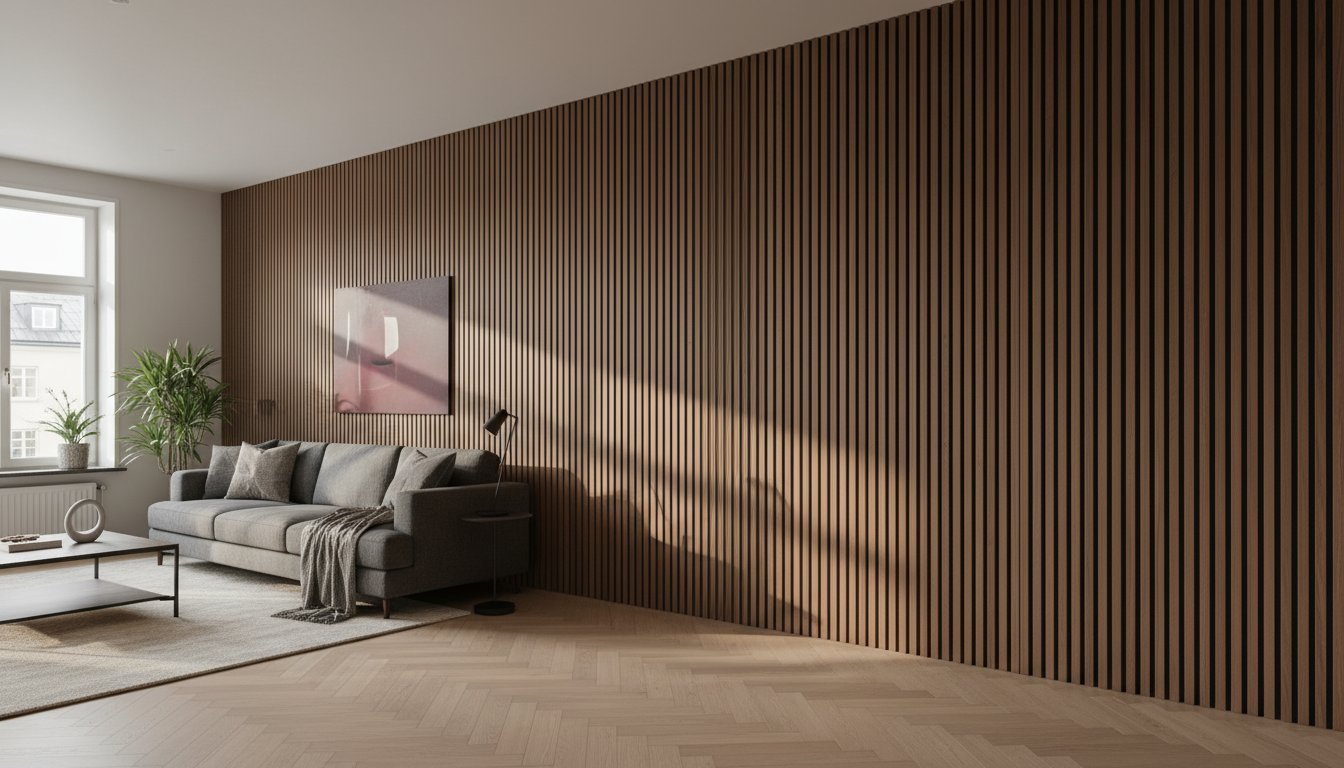
A home feels most thoughtfully designed when there is a clear, consistent theme. We often see how our customers choose to echo the material of their acoustic panels or flooring in the kitchen details. By creating a continuous theme from wall cladding to kitchen drawers, a seamless transition between the different zones of the dwelling is achieved. For the most unique projects, custom-made solutions are available. Here, the knob is not just an accessory screwed on afterwards, but an integrated part of the furniture's original design and DNA.
From showroom to your home
A digital image can never fully replace the experience of running your hand over a perfectly sanded wooden surface or feeling the weight of a solid fitting. In our exhibition environment, the materials speak for themselves. We work without unnecessary intermediaries and have direct contact with manufacturers in Europe to ensure 100 percent quality in every delivery. Building a home through these conscious choices means creating an environment that ages with dignity. It's the difference between a temporary residence and a home that tells a story for future generations.
Invest in long-term quality
Sustainability is ultimately the most profitable deal for both the wallet and the environment. Choosing materials that do not wear out, but rather evolve over time, saves significant resources. Wood has the unique ability to develop a patina. A well-chosen knob in natural material actually becomes more beautiful the more it is used. Skin-to-material contact and the natural play of light give the material a character that synthetic alternatives can never replicate.
- Economic sustainability: Materials with high density and quality withstand everyday wear and tear for decades.
- Aesthetic aging: Natural materials develop a unique luster that only time can create.
- Perfected design: Details are what ultimately tie together your interior design journey.
Every choice you make in your home reflects your view of quality. By letting the small details maintain the same high standard as the large investments, you create an environment that feels both genuine and exclusive. It is in the meeting of craftsmanship and personal taste that true luxury arises.
Give your home a timeless character for 2026
Choosing the right fittings is about more than just function. It's the final puzzle piece that defines the room's character and creates that longed-for cohesive feeling. By focusing on solid materials like walnut and oak, you invest in details that will age gracefully for many years to come. As a family-owned company with a deep passion for craftsmanship, we ensure that every product meets the highest demands for quality. Because we deliver directly from the manufacturer, we can offer exclusive materials at prices that make it possible to realize grand visions without compromise.
Updating your furniture with new knobs is one of the most effective ways to elevate an interior without extensive interventions. Our expertise in timeless wood types ensures you find the right expression for your environment, whether you're seeking modern minimalism or classic elegance. It's about allowing nature's own texture and warmth to take its place in everyday life. With precision and an aesthetic touch, we help you create a home that feels both luxurious and genuinely down-to-earth.
Explore our range of exclusive solid wood interiors
Let your next renovation start with the small details that make a big difference.
Frequently asked questions about knobs and fittings
What size knobs are best suited for kitchen cabinet doors?
For standard kitchen cabinet doors, knobs with a diameter of 25 to 35 millimeters are the most ergonomic choice. If you have drawer fronts wider than 60 centimeters, you should consider larger models or install two to ensure visual balance. A smaller 20-millimeter knob risks disappearing on a large surface, while an excessively large model can disrupt the kitchen's symmetry and the tactile experience during daily use.
Can I use wooden knobs in the bathroom without them warping?
You can definitely use wooden knobs in bathroom environments provided they are surface-treated with hardwax oil or lacquer that can withstand moisture. According to industry standards, the wood should have a moisture content below 8 percent during manufacturing to minimize material movement. Make sure to wipe the surface dry after contact with water, and the wood will retain its shape and luster for decades despite the temperature fluctuations that occur in a Swedish bathroom over a year.
How do you place knobs on a wardrobe door for the best appearance?
Place your knobs approximately 90 to 110 centimeters from the floor to achieve an optimal balance between aesthetics and functional reach. On a tall wardrobe door, the knob should be mounted 5 to 7 centimeters from the door's edge so it doesn't look out of place. This placement follows classic design principles that have been used in Swedish furniture design since the 1950s to create a harmonious visual line in the room that feels both timeless and well-thought-out.
Is it better to choose knobs or handles for heavy drawers?
Handles are technically better for heavy drawers because they distribute the load over two fastening points, but double knobs work as an excellent alternative. For drawers weighing over 10 kilograms when filled, a grip that allows the entire hand to work is recommended. If you choose knobs for wide drawers, you should mount them at a distance that corresponds to exactly one-third of the drawer's width to ensure the best possible power transfer with each pull.
How do I best clean solid wood knobs?
Clean your solid wood knobs by wiping them with a lightly dampened microfiber cloth and a drop of mild soap. Avoid strong cleaning agents with a pH value above 8, as these can break down the wood's natural fibers and destroy the protective surface treatment. Always wipe dry with a dry cloth within 30 seconds to prevent moisture from penetrating the pores, preserving the wood's unique character and the warm luster that only genuine natural materials possess.
Can I mix different wood types for knobs and furniture?
It is perfectly fine to mix different wood types as long as you create a clear contrast, such as combining dark walnut with light oak. Interior designers often use the rule of a maximum of three different wood tones in a room to maintain a visual common thread without it feeling cluttered. By choosing knobs in a contrasting wood type, you can highlight the details and give your furniture a more personal and architectural expression that reflects your sense of craftsmanship.
What tools are needed to change knobs myself?
You will need a drill with a 4-millimeter wood drill bit, a screwdriver, and a tape measure to change your knobs professionally. Feel free to use a drilling template to ensure that the holes are in exactly the same place on each door, reducing the margin of error to less than 1 millimeter. It's a simple update that takes less than 10 minutes per door but changes the entire room's atmosphere and provides an immediate sense of renewal and quality.
How do I know if a knob is made of solid wood or just veneer?
A solid wood knob feels heavier in the hand and has a grain pattern that runs continuously around the entire shape, unlike veneer. If you look closely at the end grain, you will see the natural annual rings that prove the material is homogeneous throughout. Solid wood also has a natural warmth to the touch that synthetic materials lack, which is an important part of the artisanal and sensory experience in a genuine home.